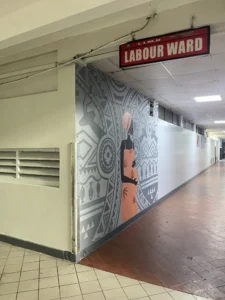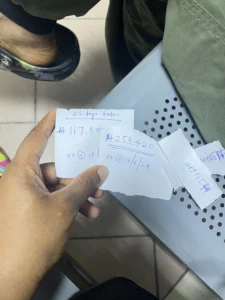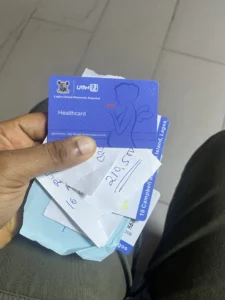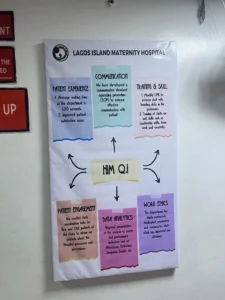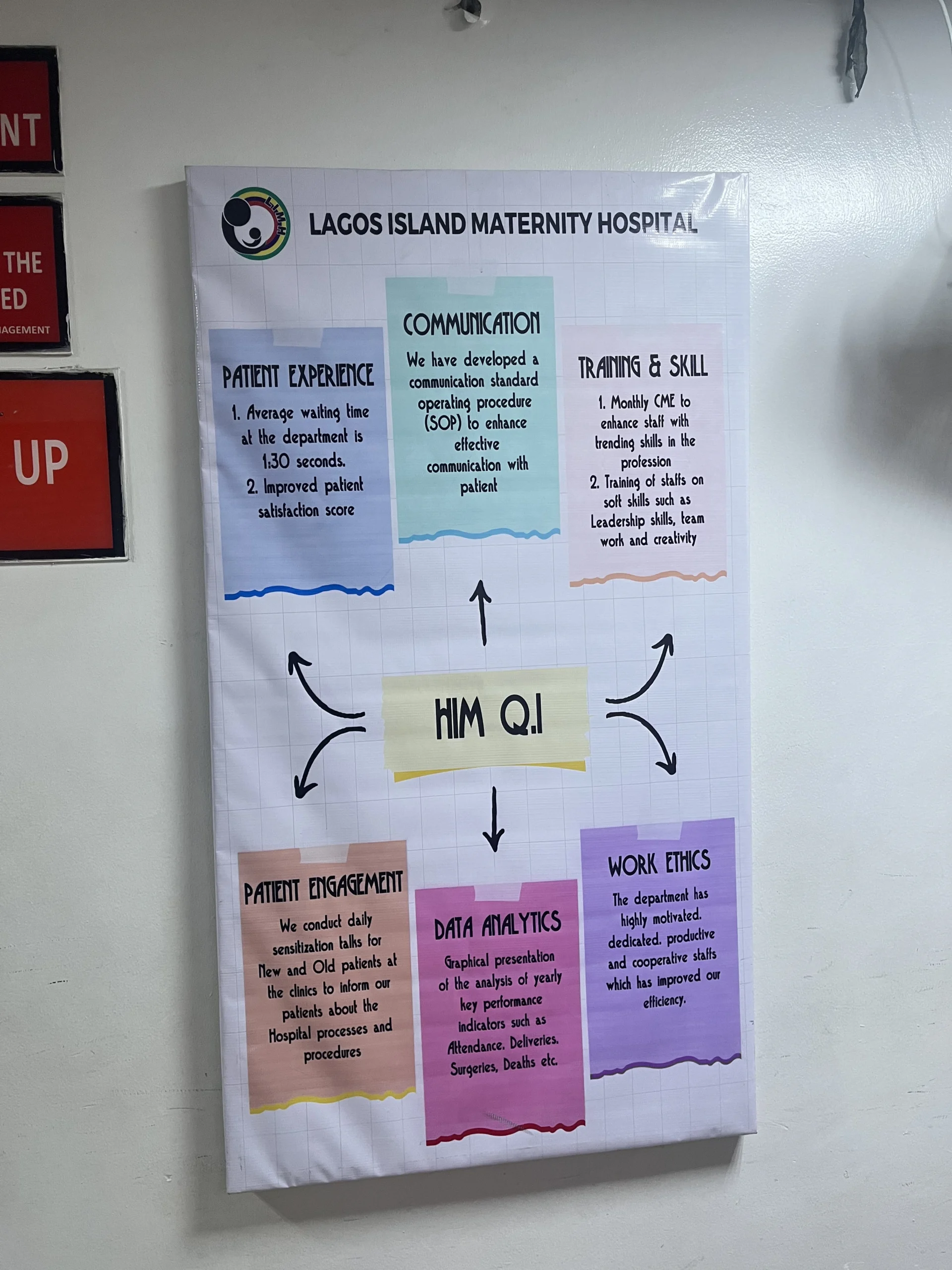
On the 3rd of March 2024, we began a new leg of our journey — one that would take us closer to the women who so often hold their families together, and who are so rarely held up themselves. We paid a visit to a Lagos maternity hospital known locally as “The Baby Factory,” with a single intention: to settle the bills of mothers and babies who were stranded there.
That word — stranded — deserves explaining. In many government hospitals in Nigeria, a patient who cannot pay is not sent home. She is kept. Her treatment is complete, her recovery well underway, but she remains on the ward, waiting, until the money is found. A place of healing quietly becomes a place of waiting.
We arrived expecting to help a handful of women. Almost immediately, it was clear the need ran far deeper than we had prepared for.
Stories we haven’t been able to forget
The women and young girls we met carried stories that were hard to take in — harder still to accept as the everyday reality of thousands of women across this country.
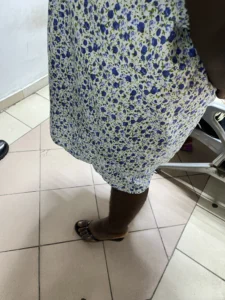
We met Opeyemi, admitted with complications from an ectopic pregnancy. Unable to pay what she owed, she had begun washing the laundry of other patients on the ward, coin by coin trying to gather enough to buy her own freedom.
And we met Margaret. Five days before our visit, she had been rushed in unconscious. When she woke three days later, it was to the news that she had given birth to a baby girl. Margaret has no relatives in Lagos. The father of her child could not be found. She had been squatting in a church — which meant that even once she and her newborn were discharged, there was no safe or settled home waiting for them.
These are only two of the women we sat with that day. There were many more.
More than we planned, and still not enough
By the time we left, we had spent four times what we had budgeted. We do not say that as a complaint — we say it because it is the truth of what we found. The need was simply greater than any figure we had set on paper, and we could not look at these women and do less.
We walked away lighter in resources but heavier in resolve — certain, more than ever, that this work had to continue and to grow.
This is our way of striving to make lives better: not from a distance, but up close, one woman at a time, in the places where the world has stopped looking.